
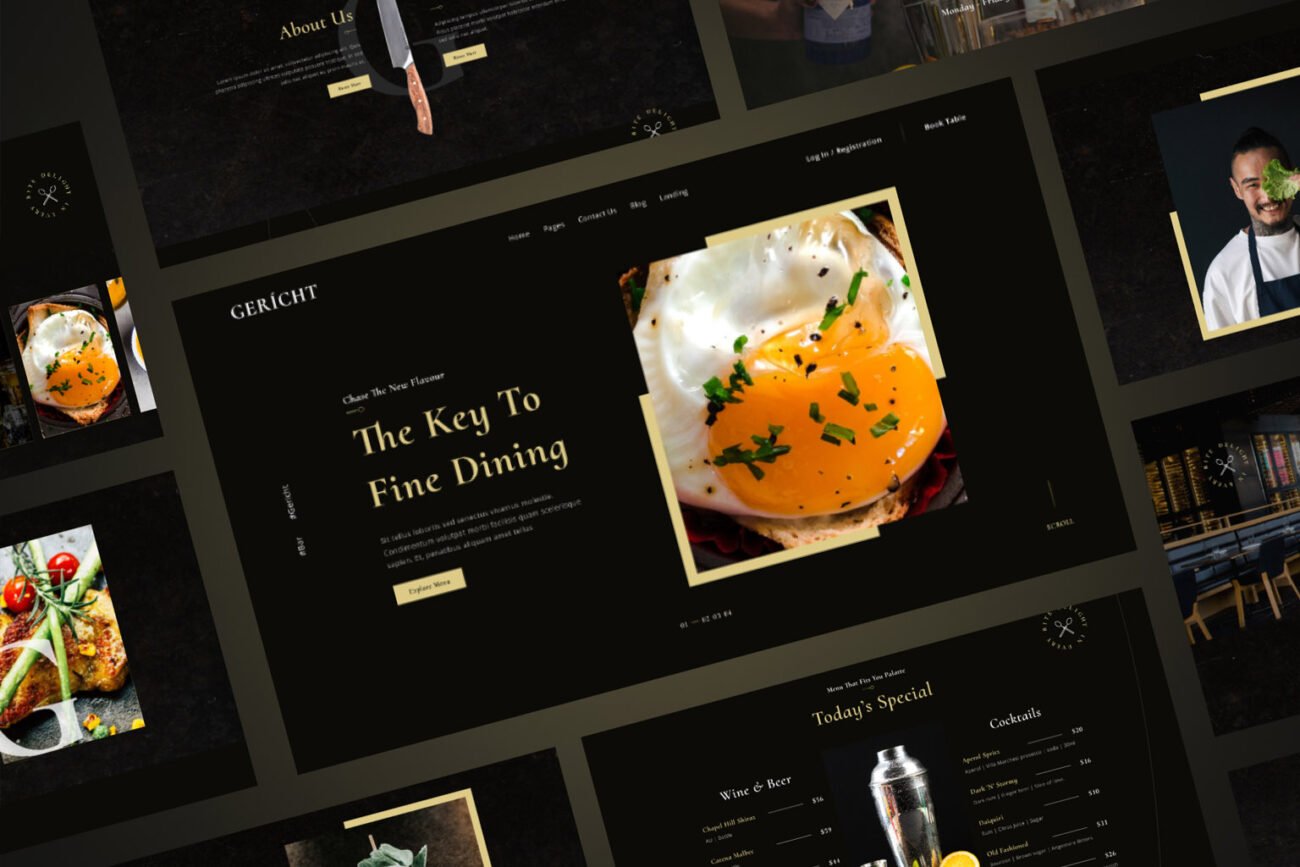
The food industry has experienced a major digital transformation in recent years. Restaurants, food brands, cloud kitchens, catering businesses, and food delivery services now rely heavily on digital platforms to reach customers, showcase their menus, and manage online orders efficiently.
A modern food website is more than a digital menu. It serves as a powerful online platform where customers can explore dishes, place orders, book tables, discover brand stories, and engage with the culinary experience offered by the business.
At MindBoxx Technologies, we specialize in developing high-performance food websites that combine visual storytelling, seamless ordering systems, and scalable digital infrastructure. Our solutions enable food businesses to build strong digital identities, attract customers, and manage operations effectively.
From local restaurants and gourmet kitchens to food brands, catering services, and cloud kitchens, our development approach ensures that each platform delivers performance, reliability, and a memorable digital experience.
Our goal is to help food businesses build digital platforms that support customer engagement, operational efficiency, and long-term growth in the evolving digital food ecosystem.
Strategic Approach to Food Website Development
A food website must capture the essence of the culinary experience while providing customers with convenient access to menus, reservations, and ordering options.
MindBoxx approaches food website development with a strategic framework that combines brand storytelling, digital commerce capabilities, and operational integration.
Our planning process includes:
- Menu architecture and product presentation
- Online ordering and delivery system integration
- Table reservation systems
- Catering and event request workflows
- Customer engagement and loyalty programs
- Integration with third-party delivery platforms
This strategic approach ensures that food websites function as both marketing platforms and operational management systems.
Customers should be able to easily explore dishes, discover special offers, place orders, and connect with the restaurant or food brand through a seamless digital interface.
User Experience and Design for Food Websites
Food is an experience-driven industry where visual appeal plays a major role in influencing customer decisions. A well-designed website must showcase dishes in a way that stimulates interest and encourages orders.
MindBoxx designs food websites that combine high-quality visual storytelling with intuitive user interfaces.
Our design philosophy focuses on:
- visually appealing layouts that highlight food imagery
- structured and easy-to-navigate menu systems
- mobile-first responsive design
- seamless ordering and checkout interfaces
- engaging storytelling about the brand and cuisine
Visitors should be able to easily explore:
- menu categories and dishes
- chef specials and seasonal offerings
- restaurant ambiance and dining experience
- online ordering and reservation options
- customer reviews and testimonials
By delivering immersive digital experiences, food websites help restaurants and food brands attract customers and build lasting relationships.
CMS Platforms for Food Websites
Food businesses often need the flexibility to update menus, promotions, and event announcements quickly.
MindBoxx develops food websites using flexible CMS platforms including:
WordPress Development
WordPress is widely used for food websites because it offers flexibility, strong SEO capabilities, and easy content management.
Restaurant teams can easily update menus, publish blog articles, and share announcements or promotions.
WooCommerce Integration
WooCommerce allows food businesses to sell products online, including:
- packaged food products
- specialty meals and combos
- catering services
- cooking classes and food experiences
It provides secure payment systems and order management tools.
Shopify Development
Shopify offers a fully hosted eCommerce solution ideal for food brands selling packaged products or gourmet items online.
MindBoxx customizes Shopify stores to match the brand identity and improve user experience.
Headless CMS Architecture
For advanced digital platforms, MindBoxx develops headless CMS architectures where the frontend experience is separated from backend content management.
This allows food businesses to deliver dynamic digital experiences across websites, mobile apps, and digital ordering kiosks.
Custom Food Platform Development
Some food businesses require custom digital platforms that support complex operational systems.
MindBoxx develops custom food platforms capable of supporting:
- online ordering and delivery management systems
- multi-location restaurant platforms
- food marketplace platforms
- subscription meal services
- catering and event booking systems
Custom development enables food businesses to create unique digital experiences tailored to their brand and operational requirements.
These systems allow restaurants and food brands to expand their digital capabilities while maintaining operational efficiency.
Frontend Technologies for Food Websites
The frontend interface determines how customers interact with the platform. Performance and responsiveness are critical in the food industry where customers expect fast access to menus and ordering systems.
MindBoxx develops modern food websites using advanced frontend technologies including:
React.js
React allows us to create dynamic and highly interactive interfaces such as menu browsing systems and ordering dashboards.
Next.js
Next.js improves performance through server-side rendering and static site generation, resulting in faster load times and improved search engine visibility.
Vue.js
Vue provides lightweight and efficient frontend architecture suitable for responsive food platforms.
Progressive Web Applications
Food websites can also be developed as Progressive Web Apps, enabling customers to experience mobile app-like functionality directly through their browsers.
These technologies ensure that food websites remain fast, responsive, and engaging across all devices.
Backend Development for Food Platforms
Behind every food website lies a powerful backend system responsible for managing menus, orders, and customer interactions.
MindBoxx develops backend systems using modern frameworks including:
Laravel (PHP)
Laravel is widely used for building scalable ordering platforms and restaurant management systems.
Python Frameworks
Python frameworks such as Django enable advanced functionality including analytics, automation, and recommendation systems.
Node.js
Node.js supports real-time systems and API-driven architectures.
This is particularly useful for live order tracking and delivery management.
API Integrations
Food platforms often integrate with multiple external services including:
- delivery partners and logistics systems
- inventory management platforms
- payment gateways
- customer relationship management tools
MindBoxx develops secure APIs that allow these systems to communicate seamlessly.
Database Architecture for Food Platforms
Food platforms manage a wide range of data including menus, customer orders, transactions, and inventory records.
MindBoxx designs database systems using reliable technologies such as:
MySQL / MariaDB
Widely used relational databases suitable for structured ordering systems.
PostgreSQL
A powerful database system capable of handling complex data environments.
MongoDB
A NoSQL database suitable for flexible menu structures and large product catalogs.
Redis
Redis improves system performance by caching frequently accessed data and optimizing user session management.
These database architectures ensure that food platforms remain responsive even during peak ordering periods.
Server Infrastructure and Cloud Deployment
Food platforms must maintain reliability and performance, particularly during high-demand meal hours.
MindBoxx deploys food platforms on secure and scalable cloud infrastructure including:
- Amazon Web Services (AWS)
- Google Cloud Platform
- Microsoft Azure
- DigitalOcean
Our hosting environments typically include:
- Linux-based server infrastructure
- Nginx or Apache web servers
- Docker containerized deployments
Additional optimization includes:
- global CDN distribution
- load balancing systems
- automated backup solutions
- security monitoring systems
This infrastructure ensures consistent performance and reliability.
Payment Systems and Online Ordering
Online ordering is a core component of modern food platforms.
MindBoxx integrates secure payment gateways including:
- Razorpay
- Stripe
- PayPal
- global payment processors
These integrations enable food businesses to manage:
- online food orders
- catering bookings
- prepaid dining experiences
- product sales
Secure payment systems improve customer trust while simplifying financial management.
SEO and Digital Visibility for Food Businesses
Search engine visibility plays a major role in helping food businesses attract customers.
MindBoxx develops food websites with strong SEO foundations including:
- local SEO optimization for restaurants and food brands
- structured data for menus and dishes
- optimized category and product pages
- mobile performance optimization
- fast loading speeds
Analytics tools are also integrated to help businesses track customer behavior and optimize marketing strategies.
Strong SEO ensures food websites attract customers searching for restaurants, food delivery, cafes, and culinary experiences.
Security and Data Protection
Food websites process customer data and payment information.
MindBoxx implements strong security measures including:
- SSL encryption
- secure authentication systems
- role-based access controls
- payment gateway security compliance
These systems ensure that both businesses and customers can interact with the platform securely.
The Future of Digital Food Platforms
The food industry continues to evolve as technology reshapes customer expectations and operational models.
Emerging trends include:
cloud kitchen digital ecosystems
Many food brands now operate entirely through digital ordering platforms.
AI-powered menu recommendations
Artificial intelligence helps restaurants suggest dishes based on customer preferences.
smart ordering systems
Automated platforms optimize kitchen workflows and order processing.
integrated dining experiences
Future food platforms will integrate reservations, ordering, loyalty programs, and digital payments into unified systems.
MindBoxx Technologies continues to explore these innovations to help food businesses build future-ready digital platforms that combine culinary creativity with advanced technology.
Leave a comment